Pure plant power

Nature's most
powerful tools
in a tiny bottle.

Essential oils have been used for thousands of years — to purify spaces, support the body, and elevate the spirit. Here you'll find everything you need to start using them with confidence, every single day.

Kat Frati, Personal Development Coach and dōTERRA Wellness Advocate

Hi, I'm Kat — and I love these oils.

I'm a Personal Development Coach and dōTERRA Wellness Advocate based in North Conway, NH. I started using essential oils because I believe wellness doesn't have to be complicated — just consistent, natural, and real. Everything on this site is something I use in my own home, every day. Want to try them yourself? Shop my dōTERRA store →

Start here

Three ways to use essential oils

Every oil can be used in one or more of these ways. Learning the three methods is all you need to unlock the full potential of your oils.

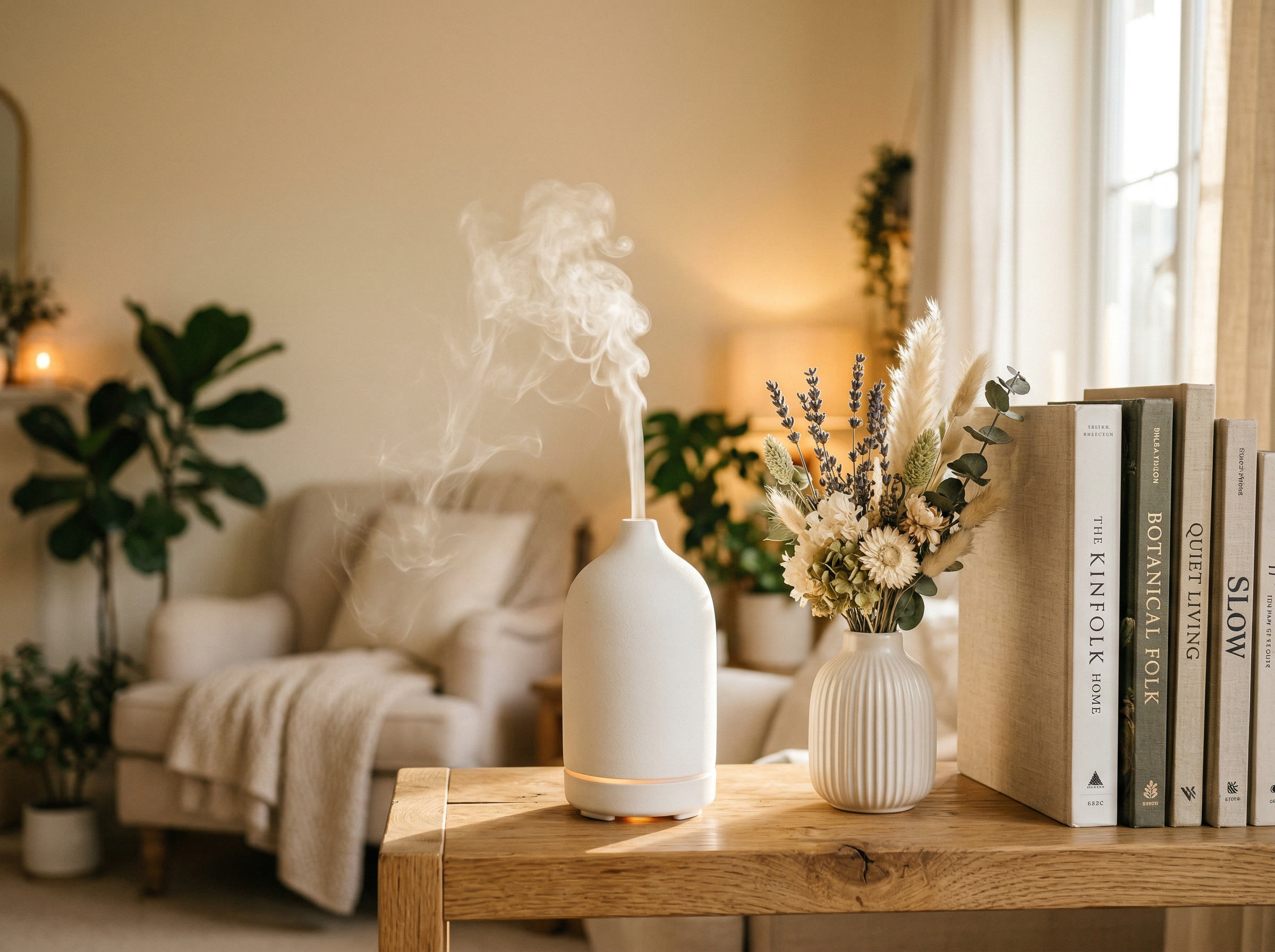
Essential oil diffuser creating a mist of aromatic vapor in a cozy home setting
Aromatic
Method 1

Aromatic Use

When you inhale an essential oil, aromatic compounds travel to the olfactory system and directly into the limbic system — the brain's emotional and memory center. This creates a near-instantaneous response, which is why scent is so powerful for mood, focus, and calm.

Unlike candles or plug-in air fresheners that contain synthetic additives, essential oils purify the air naturally while filling your space with beautiful, therapeutic aromas.

Ways to use aromatically

  • Diffuser: Add a few drops to a water diffuser and let the mist fill your room. Avoid heat-based diffusers — heat alters oil chemistry.
  • Direct inhalation: Open the bottle and breathe in, or place a drop in your palms, rub together, and cup over your nose.
  • Spritz: Mix oils with water in a spray bottle and mist over pillows, linens, or clothing.
  • Cotton ball trick: A drop on a cotton ball in your car air vents or trash can freshens the space all day.
  • Dryer ball: A couple drops on wool dryer balls freshens laundry naturally.

Oils to try aromatically

Lavender — Calming Wild Orange — Uplifting Peppermint — Energizing Lemon — Purifying Frankincense — Grounding Bergamot — Mood-lifting Eucalyptus — Clearing Cedarwood — Relaxing

Simple diffuser blends

Morning Energy

Rise & Shine

3 drops Wild Orange + 2 drops Peppermint + 1 drop Frankincense
Evening Wind-Down

Deep Calm

3 drops Lavender + 2 drops Cedarwood + 1 drop Vetiver
Focus & Study

Clear Mind

2 drops Rosemary + 2 drops Lemon + 2 drops Peppermint
Good to know: Keep your diffuser out of reach of children and pets. Clean it monthly with a water-and-vinegar rinse to prevent oil buildup. Start with just 2–3 drops and adjust based on room size.
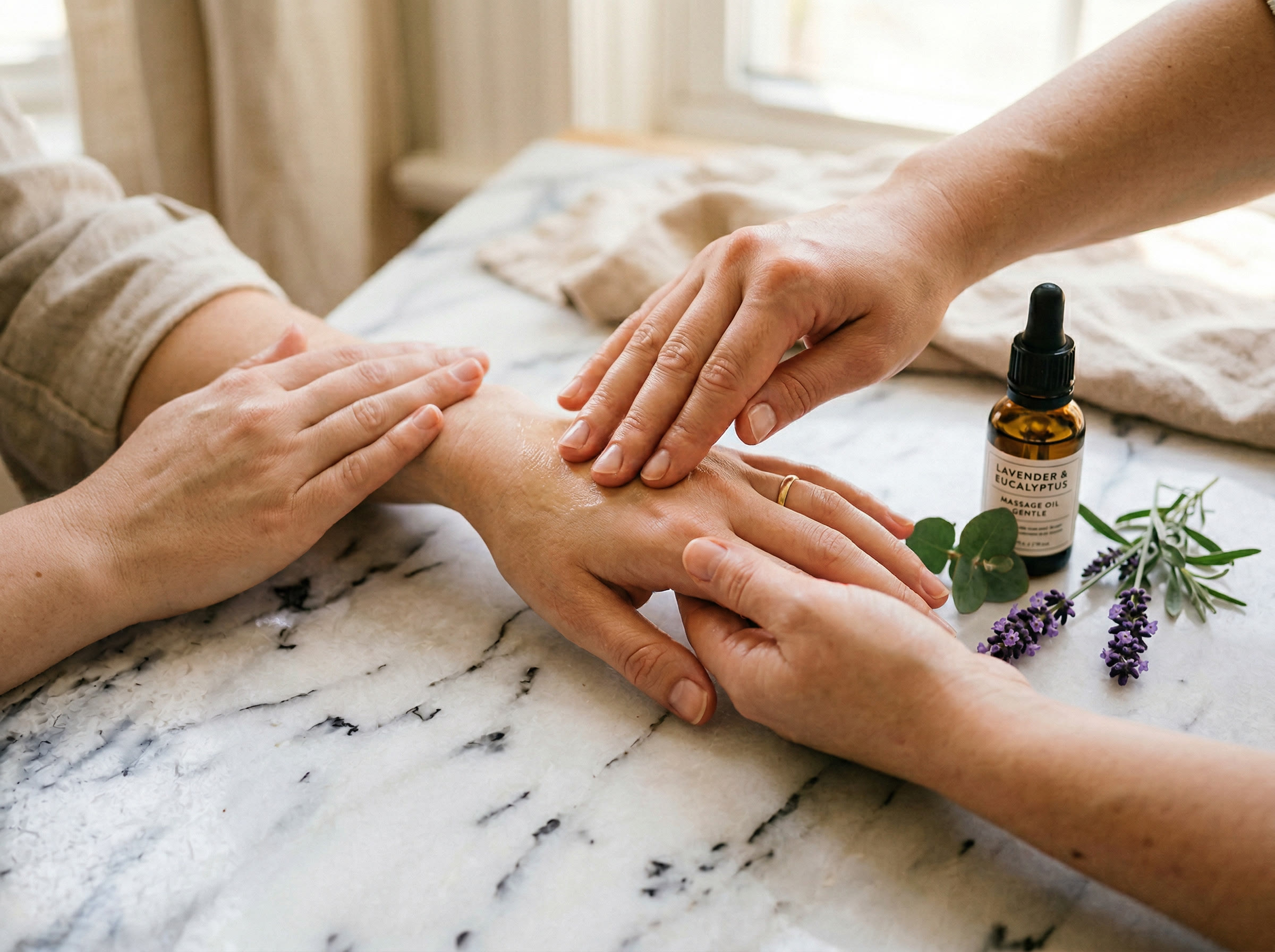
Hands applying essential oil diluted in a carrier oil to skin, with botanical elements nearby
Topical
Method 2

Topical Use

Essential oils are lipid-soluble, which means they penetrate the skin easily and can stay in the applied area for targeted benefits. Applied to the right places on the body, they can support clear breathing, ease tired muscles, and care for your skin — all naturally.

The cardinal rule: dilute

Most oils should be diluted with a carrier oil before applying to skin. Dilution doesn't reduce the benefit — it actually improves absorption and slows evaporation, so the oil stays active longer. Fractionated Coconut Oil is the go-to: it's lightweight, non-greasy, and has an almost indefinite shelf life.

  • Sensitive or new users: Start at feet — the thick skin there makes it the perfect intro spot for first-timers and children.
  • Breathing support: Apply Peppermint, Eucalyptus, or dōTERRA Breathe® to the chest.
  • Tension relief: Rub Peppermint or dōTERRA Balance® into temples and the back of the neck.
  • Muscle recovery: Deep Blue® Soothing Blend on arms, legs, and back after activity.
  • Skin care: Mix Frankincense, Lavender, or Helichrysum into your moisturizer or facial oil.

Carrier oils to use

Fractionated Coconut Oil ✓ Best Avocado Oil Sweet Almond Oil Olive Oil Sunflower Oil Jojoba Oil
Photosensitivity warning: Citrus oils (Bergamot, Lemon, Lime, Grapefruit, Wild Orange) can increase skin sensitivity to UV light. Avoid direct sun exposure for at least 12 hours after topical application. Avoid eyes, inner ears, and broken skin.

Recommended oils by area

Temples → Peppermint Chest → Eucalyptus Abdomen → Ginger Face → Frankincense Feet → Lavender Muscles → Deep Blue®
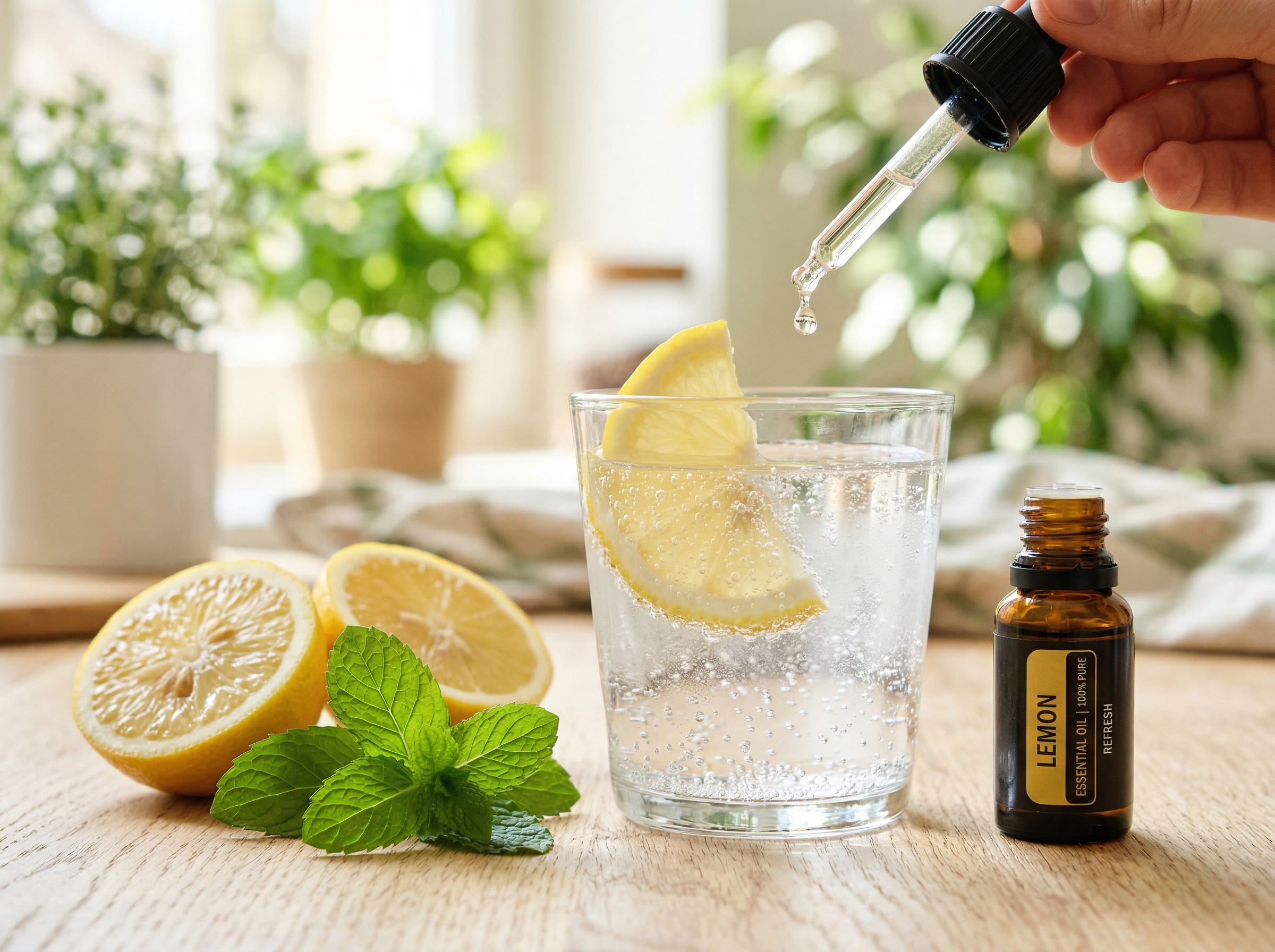
A glass of water with lemon essential oil drops, alongside a glass dropper bottle and fresh lemons
Internal
Method 3

Internal Use

Some essential oils have a long, safe history of internal use — they're found in foods we eat every day. Lemon, peppermint, ginger, cinnamon, basil... these are culinary flavors that happen to come in incredibly concentrated form. A single drop of Lemon oil contains the flavoring compounds of an entire lemon peel.

The key: only use oils labeled for internal use, start small (1–2 drops), and choose oils you know are pure and tested. dōTERRA uses both internal and third-party testing to verify every batch.

Four ways to use internally

  • In water: Add 1–2 drops of Lemon, Lime, Wild Orange, or Peppermint to a glass of water for flavor and benefits.
  • In cooking & baking: Dip a toothpick in the bottle and stir it into your dish. A little goes a very long way — these are 75–100x more concentrated than dried herbs.
  • In capsules: Add drops of stronger oils (Oregano, Frankincense, Copaiba) to an empty vegetable capsule and swallow.
  • Direct: For mild oils like Peppermint, 1 drop under the tongue is a refreshing way to freshen breath or ease digestion.

Oils to try in water

Lemon — Classic refresh Wild Orange — Immune support Peppermint — Fresh & energizing Lime — Cleansing Grapefruit — Metabolism

Oils to try in cooking

Basil → Italian dishes Cilantro → Salsas & dips Ginger → Stir-fry & baking Cinnamon Bark → Tea & oatmeal Lavender → Baked goods
Important: Not all essential oils are safe for internal use. Always check the label. "Hot" oils like Cassia, Cinnamon, Oregano, and Clove must be diluted or taken in a capsule — never straight. Consult your healthcare provider if pregnant, breastfeeding, or managing a health condition.

*These statements have not been evaluated by the Food and Drug Administration. These products are not intended to diagnose, treat, cure, or prevent any disease.

"Taken straight from the earth, essential oils allow us to capture the full power of nature and bring it into our homes."
— dōTERRA, Essential Oils for Beginners
DIY Recipes

Natural Cleaning with Essential Oils

You don't need a cabinet full of harsh chemicals. These simple recipes clean just as well — for a fraction of the cost — using vinegar, water, and a few drops of oil. Compare for yourself.

Bathroom

All-purpose bathroom surfaces

  • White vinegar1 cup
  • Distilled water1 cup
  • Lemongrass oil10 drops

Kitchen

Countertops & non-porous surfaces

  • White vinegar1 cup
  • Distilled water1 cup
  • Wild Orange oil20–25 drops

Glass & Mirrors

Windows, mirrors, chrome

  • Distilled water2 cups
  • White vinegar2 Tbsp
  • Isopropyl alcohol2 Tbsp
  • Peppermint oil5 drops

All-Purpose #1

No wood or porous surfaces · 32 oz

  • Distilled water1 cup
  • White vinegar1 cup
  • Lemon oil10–15 drops
Cost comparison
Your 32 oz bottle: $1.96–$2.30
Lemon Lysol 32 oz: $4.29

All-Purpose #2

No wood or porous surfaces · 16 oz

  • Distilled water1½ cups
  • White vinegar¼ cup
  • Lemon oil20 drops
Cost comparison
Your 16 oz bottle: $1.84
Mrs. Meyer's 16 oz: $4.79

Glass & Mirrors #2

Streak-free · 23 oz

  • Distilled water2 cups
  • Isopropyl alcohol2 Tbsp
  • Peppermint oil5 drops
Cost comparison
Your 23 oz bottle: $1.59
Windex 23 oz: $4.09

Recommended supplies

The story behind the oils

From seed to bottle — quality matters.

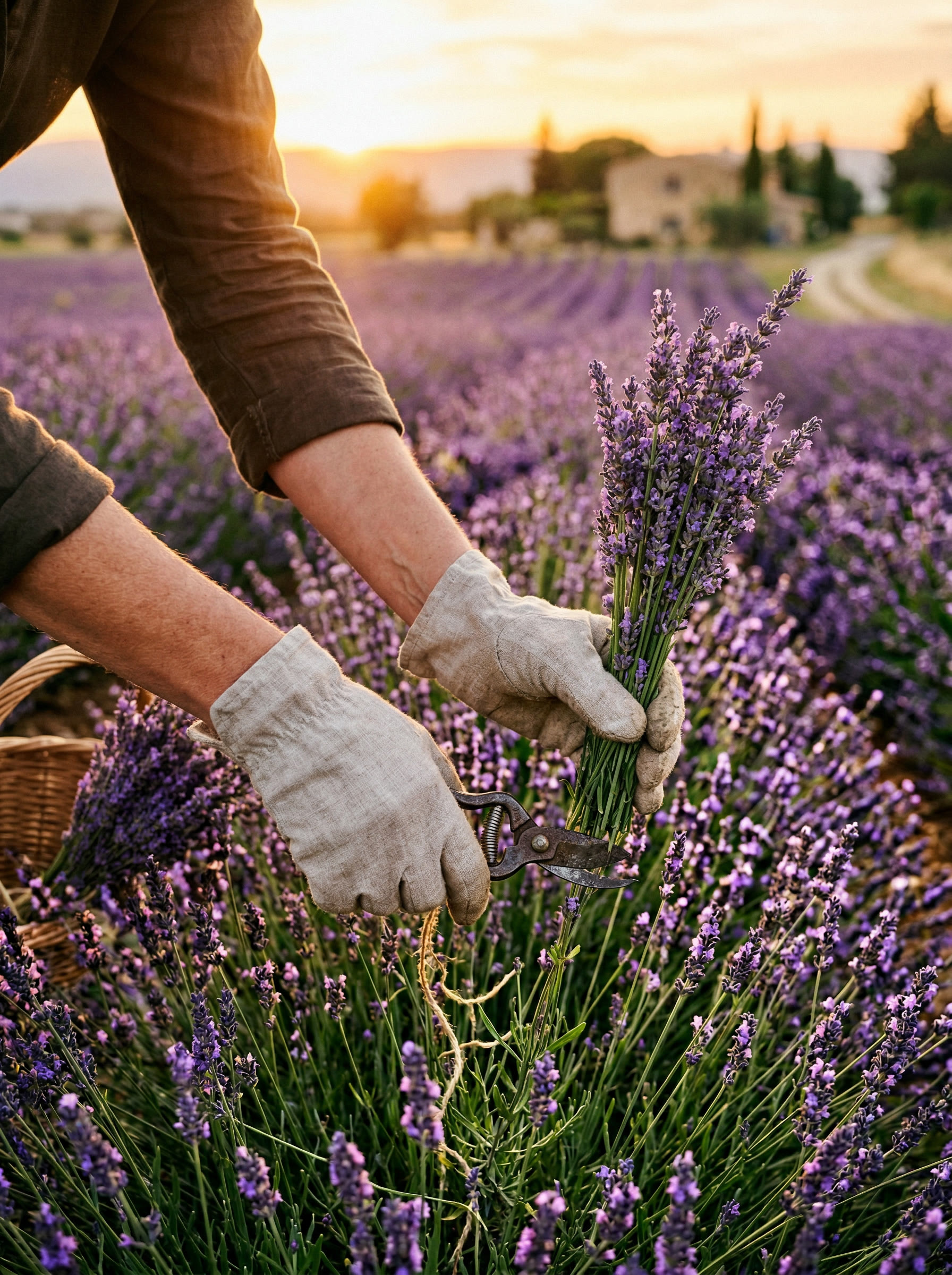
dōTERRA works with local growers and distillers in over 40 countries, sourcing plants at their peak potency. Bergamot from Reggio di Calabria, Italy. Ylang Ylang from Nosy Be, Madagascar. Frankincense from the resin of Boswellia trees in Somaliland. Each oil carries the unique chemistry of its origin.

After harvesting and distillation, every batch is tested with eight different methods — including gas chromatography, mass spectrometry, and isotopic analysis — to verify purity and ensure no synthetics, fillers, or adulterants.

1

Plant

Good seeds, optimal soil, the right climate. The quality starts before a single drop is extracted.

2

Harvest

Timing is everything. Jasmine flowers are picked early morning before buds fully open. Sandalwood is steam-distilled for 36 hours from chipped heartwood.

3

Distill

Steam distillation or cold-pressing (for citrus) at precise temperatures preserves the volatile aromatic compounds.

4

Test & Package

8-method testing protocol. Packaged in tinted glass to protect against UV degradation. Labeled with expiration and application guidance.

Hands harvesting lavender in a field at golden hour, with rows of purple lavender stretching into the distance
Practical ideas

Everyday uses for essential oils

These are real, practical ways to work essential oils into daily life — from your morning routine to bedtime.

01Mix 1 cup vinegar + 1 cup water + 10–15 drops Lemon for an all-purpose spray.
02Diffuse Lemon or Purify to cleanse the air and dispel household odors.
03Place a drop of your favorite oil on a cotton ball in car air vents.
04Add drops to your dryer balls for naturally fresh-scented laundry.
05Mix ½ cup baking soda + ¼ cup vinegar + 10 drops Tea Tree in the toilet, then scrub.
06Add Wild Orange or Lemon to warm water for cutting through sticky, greasy residue.
07Drop a paper towel soaked in oil into the bottom of the trash can to neutralize odors.
08Mix ¼ cup olive oil + ¼ cup vinegar + 10 drops Arborvitae for natural wood polish.
09Apply Peppermint to temples and neck for tension relief.
10Rub diluted Eucalyptus or Peppermint on the chest to support clear, easy breathing.
11Apply DigestZen® to your abdomen with a gentle massage for digestive comfort.
12Use Geranium, Lemongrass, or Thyme on wrists and ankles as a natural insect deterrent.
13Mix Lime, Tea Tree, and Rosemary with Fractionated Coconut Oil for a scalp massage.
14Rub Deep Blue® Soothing Blend on legs, back, and shoulders after exercise.
15Apply Frankincense or Tea Tree to cuticles after showering.
16Add 1–2 drops Lavender or Correct-X® to minor skin irritations.
17Diffuse Lavender + Cedarwood + Vetiver in your bedroom 30 minutes before sleep.
18Mist pillows and bedding with a blend of Lavender and distilled water.
19Diffuse Wild Orange + Peppermint in the morning for an instant mood lift.
20Inhale from cupped palms during moments of stress — try Bergamot or dōTERRA Balance®.
21Diffuse dōTERRA Motivate® during projects that need focus and follow-through.
22Add calming oil to a warm bath before bed — try Ylang Ylang or Roman Chamomile.
23Diffuse during meditation or yoga for a grounding, intentional practice.
24Use dōTERRA Cheer® when you want more optimism and happiness in your day.
25Add 1–2 drops Lemon to water for a refreshing, immune-supporting daily drink.
26Dip a toothpick in Basil and stir into pasta sauce or marinades.
27Add a drop of Bergamot to black tea for a homemade Earl Grey.
28Use Cilantro in homemade salsas, guacamole, or salad dressings.
29Add a drop of Lavender to cookie dough or lemon bars for a floral lift.
30Stir Peppermint into your morning smoothie for a bright, energizing flavor.
31Mix Cinnamon Bark with honey in warm water for a soothing throat drink.*
32Add Ginger to sweet or savory dishes — soups, stir-fry, baked goods.
Go deeper

Free dōTERRA Resources

These free ebooks from dōTERRA are the source material for everything on this site. Read the originals to learn even more.

Ready to start?

Get your oils from my dōTERRA shop.

I only recommend oils I use myself. Start with a starter kit or shop individual bottles — I'm here if you have questions.

Shop dōTERRA